MRI Brain Appropriateness Auditing in Africa
MRI Brain Appropriateness Auditing in Africa: Why Choosing the Right MRI Scan for the Right Patient Matters More Than Ever
Introduction
Across Africa, healthcare systems are making significant investments in medical imaging. More hospitals are acquiring MRI scanners, radiographers and radiologists are receiving specialized training, and governments are recognizing diagnostic imaging as a critical part of quality healthcare. These developments are encouraging because accurate diagnosis forms the foundation of effective treatment.
However, increasing access to MRI is only one part of the solution.
One Critical Question
Are we performing the right MRI examination on the right patient at the right time?
This simple question lies at the heart of MRI Brain Appropriateness Auditing and has become one of the most important discussions shaping the future of healthcare imaging across Africa.
MRI Brain Appropriateness Auditing evaluates whether MRI requests are clinically justified according to internationally recognized imaging guidelines. Rather than focusing solely on increasing the number of MRI scanners, it focuses on ensuring every examination provides genuine clinical value while making the best use of limited healthcare resources.
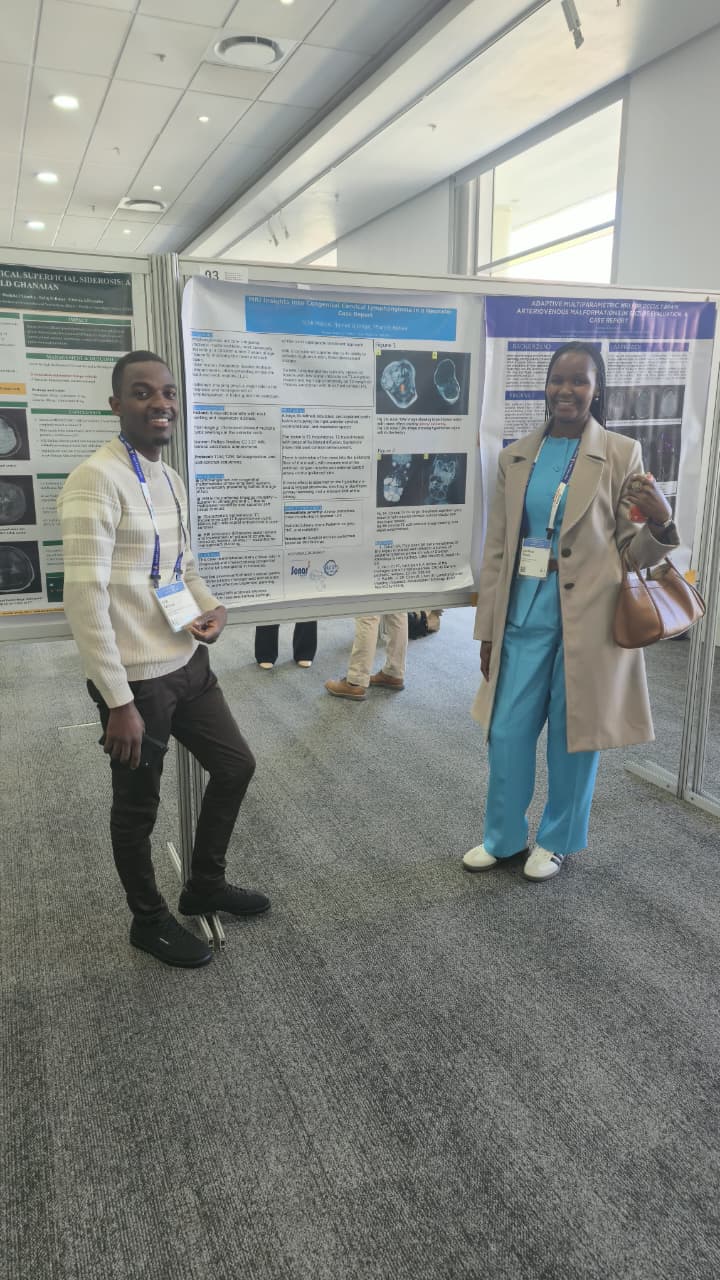
At the International Society for Magnetic Resonance in Medicine (ISMRM) 2026 Annual Meeting held in Cape Town, African researchers presented important work examining MRI Brain Appropriateness Auditing using the American College of Radiology (ACR) Appropriateness Criteria. Their research explored whether MRI referral practices align with internationally accepted standards and whether healthcare institutions have systems capable of ensuring imaging resources are used effectively.
For Kenya and many other African countries, these questions are highly relevant. MRI services remain limited in many regions, patients often travel long distances for imaging, and healthcare providers continue balancing increasing demand with finite resources.
When MRI resources are limited, every appointment matters. Every unnecessary examination occupies scanner time that could have been used for another patient requiring urgent neurological assessment.
MRI appropriateness auditing helps healthcare organizations move beyond simply asking whether more MRI scanners are needed. Instead, it asks whether existing scanners are being used in the most effective, evidence-based, and patient-centred way possible.
A Proud Moment for African MRI Research
The presentation at ISMRM 2026 represented far more than another conference presentation. It highlighted Africa's growing contribution to global discussions on MRI quality, patient safety, imaging governance, and healthcare improvement.
Alongside respected colleagues Cliff Mokua, Esther Muturi, Ivy Ohuma, and James Gitonga Ndungu, the research demonstrated that African institutions are actively evaluating international imaging standards while adapting them to local healthcare realities.
This represents an important shift.
For many years, conversations about healthcare innovation in Africa focused primarily on acquiring new technology. While modern equipment remains essential, sustainable healthcare improvement depends equally on leadership, governance, quality assurance, education, workforce development, and evidence-based clinical practice.
Building African Imaging Leadership
African researchers are no longer simply adopting international imaging standards. They are helping shape global conversations while developing practical solutions that address the unique healthcare challenges facing hospitals across the continent.
MRI appropriateness auditing fits perfectly within this broader vision. It demonstrates a commitment to ensuring advanced imaging technology is used responsibly, consistently, and strategically to improve patient outcomes rather than simply increasing examination volumes.
It also reflects the vision behind Resonance Strategy Group, which was established to support African healthcare institutions through expert healthcare imaging consultancy, MRI strategy, operational excellence, workforce development, procurement advisory, and MRI safety programmes.
Why MRI Appropriateness Matters
MRI has transformed modern medicine by providing exceptional visualization of soft tissues without exposing patients to ionizing radiation. It has become an indispensable diagnostic tool for neurological diseases and countless other medical conditions.
MRI plays a vital role in diagnosing:
- Stroke
- Brain tumours
- Epilepsy
- Multiple sclerosis
- Hydrocephalus
- Brain infections
- Traumatic brain injuries
- Dementia
- Congenital neurological disorders
- Spinal cord disease
- Tuberculosis affecting the central nervous system
As awareness of MRI continues to increase, healthcare providers are requesting more examinations than ever before. While this reflects growing recognition of MRI's clinical value, it also creates new challenges for hospitals operating with limited imaging capacity.
MRI is one of the most resource-intensive diagnostic investigations available in healthcare. Every examination requires specialist staff, sophisticated equipment, stable infrastructure, quality assurance processes, and significant financial investment.
Every MRI Examination Requires
- Highly trained MRI radiographers
- Experienced radiologists
- Advanced MRI equipment
- Regular preventive maintenance
- Reliable electrical power
- Cooling systems
- Appointment scheduling
- Clinical reporting
- Continuous quality assurance
Unlike many routine investigations, MRI appointments may occupy scanner time for between twenty and sixty minutes depending on the clinical indication and examination protocol. Every unnecessary examination reduces scanner availability for another patient.
High-quality healthcare is not measured by the number of MRI scans performed. It is measured by ensuring that every examination answers an important clinical question and contributes meaningfully to patient diagnosis, treatment, or management.
For healthcare organizations throughout Kenya and Africa, MRI appropriateness auditing offers a practical framework for improving patient care, strengthening operational efficiency, reducing unnecessary imaging, and maximizing the value of every MRI investment.
The African Reality
Healthcare professionals working across Africa understand the challenges surrounding MRI access better than anyone. Although many countries have made significant investments in diagnostic imaging over the past decade, MRI services remain unevenly distributed. Large referral hospitals may have one or two MRI scanners, while many regional and district hospitals have none at all.
For countless patients, obtaining an MRI examination means travelling long distances, taking time away from work, arranging accommodation, and finding the financial resources to pay for transport and imaging costs. Even after arriving at the hospital, they may still face long waiting lists because scanner availability is limited.
These realities mean that MRI is not simply another diagnostic test. It is one of the most valuable healthcare resources available, and every appointment should provide meaningful clinical benefit.
Healthcare Equity Begins With Appropriate Imaging
When MRI resources are scarce, performing unnecessary examinations does more than increase operational costs. It delays diagnosis for patients with urgent neurological conditions and reduces access for communities already facing healthcare inequalities.
Appropriateness auditing helps hospitals ensure that MRI appointments are allocated to patients who are most likely to benefit, improving both efficiency and fairness across the healthcare system.
Understanding MRI Brain Appropriateness Auditing
MRI Brain Appropriateness Auditing is a structured quality improvement process that evaluates whether MRI requests meet evidence-based clinical recommendations. Instead of relying solely on personal judgement or local practice patterns, imaging requests are compared against internationally recognised guidelines.
The purpose of auditing is not to reject referrals or criticise clinicians. Instead, it helps healthcare teams identify opportunities to improve referral quality, strengthen communication, and optimise the use of MRI resources.
Typical Questions Asked During an Audit
- Was MRI the most appropriate imaging investigation?
- Was sufficient clinical information provided?
- Would MRI findings influence patient management?
- Were alternative imaging options considered?
- Did the referral follow recognised clinical guidelines?
- Was the timing of the examination appropriate?
When these questions are answered consistently, hospitals gain valuable insight into how imaging services are being used and where improvements can be made.
The Importance of Evidence-Based Imaging
Modern healthcare is constantly evolving. New research, updated clinical guidelines, and advances in technology continue to improve how diseases are diagnosed and managed.
Evidence-based imaging ensures that MRI examinations are requested using current scientific knowledge rather than habit or routine practice. This approach improves diagnostic accuracy while reducing unnecessary investigations.
For clinicians, evidence-based imaging provides greater confidence when selecting the most appropriate examination. For radiologists, it improves the quality of referrals and supports more accurate interpretation. For patients, it reduces unnecessary testing while increasing the likelihood of receiving meaningful diagnostic information.
Healthcare improves when imaging decisions are supported by research, clinical expertise, and patient needs rather than assumptions. Evidence-based MRI referrals strengthen both patient care and healthcare system performance.
Introducing the ACR Appropriateness Criteria
One of the most respected imaging guidance resources worldwide is the American College of Radiology (ACR) Appropriateness Criteria. These recommendations are developed by multidisciplinary panels of experts and updated regularly using the latest clinical evidence.
The ACR Criteria help clinicians determine which imaging examination is most appropriate for a wide range of clinical situations.
The Guidelines Help Clinicians Decide
- Whether MRI is the most appropriate investigation.
- Whether CT should be performed first.
- Whether imaging is necessary at all.
- Which examination offers the greatest diagnostic value.
- When urgent imaging is required.
- How imaging can best support patient management.
Although these recommendations were developed internationally, their principles are highly relevant to African healthcare systems because they focus on patient-centred, evidence-based care. Healthcare institutions can adapt them to local realities while maintaining internationally recognised standards.
Why Appropriate Imaging Is Better Than More Imaging
One of the most common misconceptions in healthcare is that performing more MRI examinations automatically leads to better patient care. In reality, quality is far more important than quantity.
An MRI scan that does not answer an important clinical question provides little value, even if the technology itself is excellent.
Potential Consequences of Inappropriate MRI Requests
- Longer patient waiting lists.
- Higher operational costs.
- Delayed diagnosis for urgent cases.
- Reduced scanner efficiency.
- Unnecessary patient anxiety.
- Incidental findings leading to additional unnecessary investigations.
- Poor utilisation of expensive healthcare resources.
By contrast, an appropriately requested MRI examination provides information that directly influences diagnosis, treatment planning, surgical decisions, rehabilitation, or ongoing patient management.
This is why MRI Brain Appropriateness Auditing focuses on clinical value rather than examination volume. Success is measured by improved patient outcomes, not simply by the number of scans performed.
MRI Is Both a Clinical and Strategic Investment
For healthcare executives, MRI represents one of the largest investments within diagnostic imaging. Purchasing a scanner is only the beginning. Long-term success depends on planning, governance, workforce development, operational efficiency, and continuous quality improvement.
Hospitals must also invest in infrastructure, maintenance, software updates, safety programmes, staff education, and clinical governance to maximise the value of every imaging service.
Successful MRI Programmes Require
- Strategic healthcare imaging planning.
- MRI safety programmes.
- Skilled radiographers and radiologists.
- Preventive equipment maintenance.
- Clinical governance.
- Operational audits.
- Quality assurance systems.
- Continuous professional development.
- Evidence-based referral pathways.
MRI Brain Appropriateness Auditing supports all of these areas by providing measurable data that healthcare leaders can use to improve imaging services, strengthen accountability, and ensure every investment contributes to better patient care.
Looking Ahead
As MRI services continue expanding across Kenya and Africa, conversations about imaging quality, governance, patient safety, and evidence-based clinical practice will become increasingly important. Improving access remains essential, but ensuring that every MRI examination delivers genuine clinical value will ultimately define the success of healthcare imaging across the continent.
In the next section, we will explore practical examples of appropriate and inappropriate MRI referrals, common challenges faced by African hospitals, and how healthcare organisations can successfully implement MRI Brain Appropriateness Auditing programmes to improve patient outcomes and operational excellence.
Common Challenges Facing MRI Brain Appropriateness in Africa
As healthcare systems across Africa continue expanding MRI services, ensuring that every examination is clinically appropriate remains one of the greatest challenges facing hospitals today. While many institutions have invested in modern MRI technology, the supporting systems needed to optimize scanner utilization are still developing.
MRI appropriateness audits consistently demonstrate that the biggest challenges rarely involve the scanner itself. Instead, they relate to referral quality, clinical communication, workforce development, governance, and the consistent application of evidence-based imaging guidelines.
Understanding these challenges allows healthcare organizations to develop practical strategies that improve patient care while making better use of existing MRI resources.
Improving MRI Services Starts Before the Patient Enters the Scanner
High-quality MRI services depend on much more than advanced technology. Appropriate referrals, clear communication, trained professionals, and evidence-based decision making determine whether an MRI examination truly benefits the patient.
Incomplete Clinical Information Remains One of the Biggest Obstacles
One of the most common findings during MRI Brain Appropriateness Audits is incomplete or insufficient clinical information on MRI request forms.
Radiologists interpret MRI images within the context of a patient's clinical presentation. Without adequate background information, even high-quality images may not provide the most accurate or clinically useful report.
Unfortunately, many request forms contain only a single symptom or a very brief description.
Examples of Poor Clinical Information
- Headache
- Seizure
- Weakness
- Dizziness
- Rule out pathology
Although these statements identify a presenting complaint, they rarely provide enough information for radiologists to understand the clinical question that needs answering.
Better referrals provide meaningful clinical context that allows both the MRI radiographer and reporting radiologist to optimise patient care.
A High-Quality MRI Referral Should Include
- Duration of symptoms
- Relevant medical history
- Neurological examination findings
- History of trauma
- Previous CT or MRI examinations
- Current medications where relevant
- Specific suspected diagnosis
- The clinical question requiring investigation
Poor Referral
Headache.
Excellent Referral
Progressive frontal headaches for six weeks associated with vomiting, papilledema and left-sided weakness. Suspected intracranial mass.
The second referral immediately provides valuable clinical information that helps optimise MRI protocols and improves diagnostic accuracy.
Improving referral quality alone can significantly increase the value of MRI services without purchasing additional equipment or increasing staffing levels.
Variations in Referral Practices
Another common observation during MRI appropriateness auditing is inconsistency between referring clinicians.
Different physicians may request completely different imaging examinations for patients presenting with similar clinical symptoms. While clinical judgement will always remain important, unnecessary variation can create inconsistencies in patient care.
For example, one neurologist may routinely request MRI for first-time seizures, while another may perform CT first before considering MRI depending on the patient's presentation.
Without standardized referral pathways, these differences can result in unnecessary imaging, inconsistent patient management, and inefficient use of MRI capacity.
Consistency Improves Patient Care
Standardised referral pathways do not replace clinical judgement. Instead, they ensure that patients with similar clinical conditions receive consistent, evidence-based imaging recommendations regardless of which clinician they consult.
MRI Brain Appropriateness Auditing helps healthcare organisations identify these variations and develop local referral guidelines that support more consistent decision making.
Limited Awareness of Imaging Guidelines
Medical imaging continues evolving rapidly. New evidence, updated clinical recommendations, and advances in MRI technology regularly influence best practice.
However, many clinicians receive limited ongoing education regarding imaging appropriateness after completing their formal medical training.
As a result, referral habits may remain unchanged despite updated evidence becoming available.
Resources such as the American College of Radiology (ACR) Appropriateness Criteria provide valuable guidance for selecting the most appropriate imaging examination across hundreds of clinical conditions, yet awareness of these resources varies considerably between institutions.
Benefits of Imaging Education
- Higher quality MRI referrals.
- Reduced unnecessary examinations.
- Improved collaboration between clinicians and radiologists.
- Greater confidence in imaging decisions.
- Better patient outcomes.
- Shorter MRI waiting lists.
- Improved operational efficiency.
Hospitals that invest in regular imaging education sessions often experience measurable improvements in referral quality, scanner utilisation, and multidisciplinary collaboration.
Training healthcare professionals to request the right MRI examination is often far less expensive than purchasing additional imaging equipment. Better knowledge leads to better decisions, better resource utilisation, and ultimately better patient care.
For African healthcare systems, combining international imaging guidelines with local clinical expertise offers one of the strongest foundations for building sustainable, high-quality MRI services capable of meeting the continent's growing healthcare needs.
Balancing Clinical Judgment with Evidence-Based Practice
Clinical guidelines provide an excellent framework for improving MRI referral quality, but they should never replace professional judgement. Every patient presents a unique clinical picture, and experienced healthcare professionals must always consider individual circumstances alongside evidence-based recommendations.
There are situations where MRI may be justified even when a patient's presentation does not perfectly match published imaging criteria. Rare neurological disorders, complex medical histories, unexpected symptom progression, or inconclusive previous investigations may all require individualized decision making.
MRI Brain Appropriateness Auditing recognises this balance. Its purpose is not to restrict clinicians but to support better decisions through evidence, collaboration, and continuous learning.
Evidence Supports Clinical Expertise
The strongest healthcare systems combine scientific evidence with clinical experience. Guidelines improve consistency, while professional judgement ensures every patient receives personalised care based on their unique medical needs.
MRI Waiting Lists Continue to Grow Across Africa
Demand for MRI examinations continues increasing throughout Africa. Growing awareness of neurological disease, improved healthcare access, aging populations, and increasing numbers of specialist clinicians have all contributed to higher imaging demand.
Unfortunately, scanner capacity has not always expanded at the same pace. Many hospitals continue operating with limited MRI availability while serving large populations.
Factors Contributing to Longer Waiting Lists
- Increasing neurological disease burden.
- Growing public awareness of MRI.
- Limited scanner availability.
- Shortage of trained MRI professionals.
- Long examination times.
- Equipment maintenance downtime.
- High referral volumes.
Appropriateness auditing helps hospitals prioritise examinations based on clinical urgency, ensuring patients who require immediate imaging receive timely access while reducing unnecessary delays throughout the service.
Financial Pressures Influence Every MRI Service
MRI represents one of the largest investments made by healthcare organisations. Beyond purchasing the scanner itself, hospitals must continuously invest in maintenance, software upgrades, electricity, safety programmes, staff training, service contracts, and quality assurance activities.
Every unnecessary MRI examination consumes valuable financial resources that could otherwise improve patient services elsewhere.
Major Operational Costs Include
- Equipment servicing and maintenance.
- Helium management.
- Electricity consumption.
- MRI safety programmes.
- Radiographer and radiologist salaries.
- Software updates.
- Quality assurance testing.
- Replacement coils and accessories.
- Continuous staff education.
Improving MRI appropriateness is often one of the most cost-effective strategies available to healthcare organisations because it increases the value obtained from existing equipment without requiring additional capital investment.
The Important Role of MRI Radiographers
MRI radiographers play a critical role in ensuring imaging quality. They are frequently the final healthcare professionals to review imaging requests before examinations begin and often identify missing information that could improve patient care.
Although radiographers do not replace referring clinicians or radiologists, their expertise contributes significantly to safe and effective MRI practice.
MRI Radiographers Frequently Identify
- Incomplete referral information.
- Incorrect examination requests.
- Missing patient safety information.
- Need for protocol adjustments.
- Previous imaging available for comparison.
- Patient preparation concerns.
Strong communication between radiographers, radiologists, and referring clinicians creates a safer and more efficient imaging pathway for every patient.
Radiologists Are More Than Image Reporters
Modern radiology extends well beyond interpreting images. Radiologists increasingly serve as clinical consultants who support imaging decisions before, during, and after examinations.
Their expertise helps clinicians determine the most appropriate imaging investigation while ensuring examinations answer clinically relevant questions.
- Appropriate examination selection.
- Protocol optimisation.
- Diagnostic interpretation.
- Multidisciplinary team meetings.
- Clinical governance.
- Quality improvement initiatives.
- Education and mentoring.
Hospitals that actively involve radiologists in imaging governance consistently achieve better referral quality, improved patient outcomes, and more efficient MRI services.
Building a Culture of Continuous Quality Improvement
MRI Brain Appropriateness Auditing should not be viewed as a one-time project. Instead, it should become part of an ongoing quality improvement programme that continuously evaluates and strengthens imaging services.
Healthcare organisations that regularly review performance are better positioned to identify opportunities for improvement before problems become significant.
Successful MRI Quality Programmes Include
- Regular clinical audits.
- Multidisciplinary review meetings.
- Continuous professional education.
- Performance monitoring.
- Patient safety initiatives.
- Evidence-based referral pathways.
- Feedback to referring clinicians.
Continuous improvement encourages collaboration across departments while promoting accountability, learning, and better patient outcomes.
The Importance of Data in Imaging Governance
Healthcare leaders require reliable information to make informed strategic decisions. MRI Brain Appropriateness Auditing generates valuable data that supports planning, budgeting, workforce development, and service expansion.
Audit Data Can Support
- Strategic planning.
- Equipment procurement.
- Budget allocation.
- Staff recruitment.
- Hospital accreditation.
- Quality assurance programmes.
- Healthcare policy development.
Rather than relying on assumptions, hospitals can make evidence-based decisions that strengthen imaging services while improving long-term sustainability.
Lessons from ISMRM 2026
The presentation of MRI Brain Appropriateness Auditing research at ISMRM 2026 highlighted an important message for African healthcare leaders.
Improving MRI services is about much more than purchasing advanced scanners. Long-term success depends equally on governance, workforce development, education, collaboration, quality assurance, and evidence-based clinical practice.
Africa Is Leading Important Conversations
African researchers are helping shape the future of healthcare imaging by producing evidence that reflects the realities of local healthcare systems. Their work demonstrates that world-class imaging standards can be achieved while addressing the unique challenges facing hospitals across the continent.
MRI Brain Appropriateness Auditing provides one of the strongest foundations for delivering high-quality, patient-centred imaging services throughout Kenya and Africa.
Preparing for the Future
As MRI services continue expanding, healthcare organisations have an opportunity to establish imaging programmes built upon international best practices from the very beginning.
Appropriateness auditing supports this vision by encouraging evidence-based referrals, improving scanner utilisation, strengthening multidisciplinary collaboration, and ensuring every MRI examination contributes meaningful value to patient care.
The final part of this article explores practical implementation strategies for MRI Brain Appropriateness Auditing, the role of healthcare imaging consultancy, how Resonance Strategy Group supports African healthcare institutions, the future of MRI governance across Africa, a concluding summary, and answers to five frequently asked questions.
Implementing MRI Brain Appropriateness Auditing in African Healthcare Institutions
Understanding MRI appropriateness is only the first step. The real value comes from translating knowledge into everyday clinical practice. Successful MRI Brain Appropriateness Auditing is not about creating unnecessary paperwork or introducing complex approval systems. Instead, it is about building simple, sustainable processes that help clinicians request the right examination for the right patient at the right time.
Hospitals that have successfully implemented appropriateness programmes usually begin with small improvements that gradually become embedded within routine clinical practice. Over time these improvements strengthen patient safety, reduce unnecessary imaging, improve communication, and maximise the value of every MRI examination.
Quality Improvement Is a Continuous Journey
MRI Appropriateness Auditing should never be viewed as a once-off exercise. The most successful imaging departments continuously review performance, educate staff, measure outcomes, and refine their referral pathways based on evidence and clinical experience.
A Practical Framework for Implementation
Healthcare institutions do not need to completely redesign their imaging departments to improve MRI appropriateness. A structured implementation plan allows hospitals to introduce improvements gradually while maintaining normal clinical operations.
Step 1: Establish Clinical Leadership
Every successful MRI governance programme begins with strong leadership. Hospitals should establish a multidisciplinary committee responsible for imaging quality, patient safety, operational performance, and continuous improvement.
- Radiologists
- MRI Radiographers
- Neurologists
- Physicians
- Hospital Administrators
- Quality Assurance Officers
- MRI Safety Personnel
Step 2: Develop Standardised Referral Guidelines
Clear referral pathways reduce unnecessary variation between clinicians while supporting evidence-based decision making. Local referral guidelines should reflect international best practice while considering available technology, staffing levels, and local disease patterns.
- ACR Appropriateness Criteria
- National Imaging Policies
- Hospital Clinical Pathways
- Available MRI Technology
- Patient Population Needs
Step 3: Improve Referral Documentation
High-quality MRI referrals provide radiologists with meaningful clinical information that improves reporting accuracy and helps radiographers optimise imaging protocols.
- Patient history
- Neurological findings
- Duration of symptoms
- Previous imaging
- Working diagnosis
- Specific clinical question
Step 4: Invest in Continuous Professional Education
Healthcare professionals should receive regular education on MRI indications, referral quality, imaging safety, neurological imaging, and current evidence-based recommendations. Continuous learning strengthens clinical confidence while improving referral consistency throughout the organisation.
Step 5: Measure Performance Regularly
Hospitals cannot improve what they do not measure. Appropriate performance indicators help healthcare leaders monitor progress and identify opportunities for further improvement.
- MRI waiting times
- Referral completeness
- Appropriate MRI request rates
- Repeat examinations
- Scanner utilisation
- Patient turnaround times
- Report turnaround times
Many hospitals assume quality improvement requires major investment. In reality, better referral documentation, stronger communication, and regular education often produce measurable improvements without purchasing additional equipment.
Technology Can Support Better MRI Decision Making
Technology is becoming an increasingly valuable partner in healthcare imaging. Modern digital systems help clinicians make evidence-based decisions while improving workflow efficiency and reducing unnecessary examinations.
Although technology should never replace clinical judgement, it provides valuable support throughout the patient journey.
Clinical Decision Support Systems
Clinical Decision Support Systems assist clinicians while completing MRI requests by comparing patient information with evidence-based imaging recommendations.
These systems help clinicians determine whether MRI represents the most appropriate investigation while reducing unnecessary examinations and improving referral quality.
Electronic Medical Records
Electronic health records allow healthcare professionals to access complete patient information before requesting imaging. Previous MRI examinations, CT reports, laboratory investigations, medications, and clinical history become immediately available, reducing duplication while supporting more informed clinical decisions.
Artificial Intelligence
Artificial Intelligence is beginning to transform medical imaging across the world. While AI will never replace radiologists or clinicians, it can improve efficiency by supporting workflow management, appointment scheduling, quality assurance, protocol optimisation, operational analytics, and clinical decision support.
As healthcare systems across Africa continue investing in digital transformation, AI will become an increasingly valuable tool for strengthening MRI governance and improving operational performance.
Technology Should Enhance Patient Care
The purpose of digital healthcare is not simply automation. Technology should support clinicians, improve patient safety, strengthen decision making, and ensure every MRI examination delivers meaningful clinical value.
The Role of Healthcare Imaging Consultancy
Many healthcare institutions have highly skilled clinicians and motivated leadership teams, yet they often face challenges when establishing comprehensive MRI governance programmes. Purchasing an MRI scanner is only the beginning of a much larger journey. Long-term success depends on planning, operational excellence, workforce development, patient safety, and continuous quality improvement.
Healthcare imaging consultants help bridge this gap by providing strategic guidance throughout the entire MRI lifecycle. Rather than focusing solely on equipment procurement, consultants work alongside healthcare organisations to build sustainable imaging services that continue delivering value for many years.
Healthcare Imaging Consultancy Services
- MRI Strategy Development
- MRI Facility Planning and Design
- MRI Procurement Planning
- Vendor Evaluation
- MRI Safety Programmes
- Operational Audits
- Workflow Optimisation
- Clinical Governance
- Quality Assurance
- Workforce Development
- MRI Education and Training
- Service Expansion Planning
By working with experienced imaging consultants, healthcare institutions reduce costly mistakes, improve operational performance, and establish internationally recognised standards from the very beginning.
Resonance Strategy Group's Vision for Africa
The research presented at ISMRM 2026 reflects a broader vision for healthcare imaging across Africa. The continent deserves MRI services that combine international best practices with practical solutions tailored to local healthcare realities.
Resonance Strategy Group was established to help healthcare organisations achieve exactly that goal. Through healthcare imaging consultancy, MRI strategy, safety, operations, education, and procurement advisory services, the organisation supports hospitals and institutions that are committed to delivering world-class imaging services.
Advancing MRI Excellence Across Africa
Resonance Strategy Group partners with hospitals, governments, universities, healthcare organisations, and private providers to strengthen MRI services through strategic planning, operational excellence, workforce development, and evidence-based imaging governance.
Core Areas of Expertise
- MRI Strategy and Advisory
- MRI Safety and Operations Audits
- Procurement Planning
- Vendor Evaluation
- MRI Facility Planning
- Capacity Building
- Workforce Development
- Clinical Governance
- Workflow Optimisation
- Quality Improvement
- Healthcare Imaging Consultancy
Looking Toward the Future of MRI in Africa
Healthcare imaging across Africa is entering an exciting period of transformation. Governments continue investing in diagnostic infrastructure, universities are producing highly qualified imaging professionals, and research led by African experts is gaining international recognition.
Emerging technologies including artificial intelligence, portable MRI systems, cloud-based reporting, advanced image processing, and digital health platforms are creating new opportunities to improve patient access while strengthening diagnostic quality.
Technology alone, however, will never guarantee better healthcare.
The future of MRI across Africa depends equally on leadership, governance, education, collaboration, evidence-based practice, and continuous quality improvement.
- Strong Clinical Leadership
- Continuous Professional Education
- Evidence-Based Imaging
- Operational Excellence
- Patient-Centred Healthcare
MRI Brain Appropriateness Auditing provides one of the strongest foundations for achieving these goals while ensuring healthcare resources deliver the greatest possible benefit to patients.
Conclusion
MRI has become one of the most valuable diagnostic tools in modern healthcare, particularly for neurological disease. Across Kenya and the wider African continent, demand for MRI continues to grow as healthcare systems expand and clinicians increasingly rely on advanced imaging to support accurate diagnosis.
Yet increasing the number of MRI examinations alone will never be enough. Healthcare organisations must ensure every scan is clinically appropriate, evidence-based, and capable of improving patient outcomes.
MRI Brain Appropriateness Auditing provides a practical framework for achieving this objective. By strengthening referral quality, supporting evidence-based decision making, improving communication between healthcare professionals, and adopting internationally recognised standards such as the ACR Appropriateness Criteria, hospitals can maximise the value of existing MRI resources while delivering better care.
The research presented at ISMRM 2026 demonstrates that African healthcare professionals are helping shape the future of global medical imaging. Their work shows that excellence is achieved not only through technology but through strong governance, continuous education, strategic leadership, and commitment to quality.
Building the Future Together
Healthcare organisations that invest in MRI governance, patient safety, workforce development, and continuous quality improvement today will be the institutions leading diagnostic excellence across Africa tomorrow.
Frequently Asked Questions
1. What is MRI Brain Appropriateness Auditing?
MRI Brain Appropriateness Auditing is the systematic review of MRI referrals to determine whether examinations meet evidence-based clinical guidelines. It helps ensure patients receive the most appropriate imaging investigation while improving healthcare efficiency and patient safety.
2. Why are the ACR Appropriateness Criteria important?
The American College of Radiology (ACR) Appropriateness Criteria provide internationally recognised recommendations that help clinicians choose the most appropriate imaging examination for specific clinical conditions using current scientific evidence.
3. How does MRI appropriateness improve patient care?
Appropriate MRI referrals reduce unnecessary examinations, shorten waiting lists, improve diagnostic accuracy, optimise scanner utilisation, reduce healthcare costs, and ensure patients with urgent neurological conditions receive timely imaging.
4. Can smaller hospitals implement MRI Appropriateness Auditing?
Yes. Even healthcare facilities with limited resources can improve referral quality by introducing evidence-based referral pathways, educating clinicians, improving documentation, and reviewing MRI requests regularly as part of continuous quality improvement.
5. How can Resonance Strategy Group support healthcare organisations?
Resonance Strategy Group provides specialised healthcare imaging consultancy across Kenya and Africa, including MRI strategy, procurement planning, MRI safety programmes, operational audits, facility planning, workforce development, governance, workflow optimisation, and quality improvement initiatives that help organisations build sustainable, world-class MRI services.

Recent Posts

MR Safety Week

MRI Brain Appropriateness Auditing in Africa
Ultra-Low-Field MRI