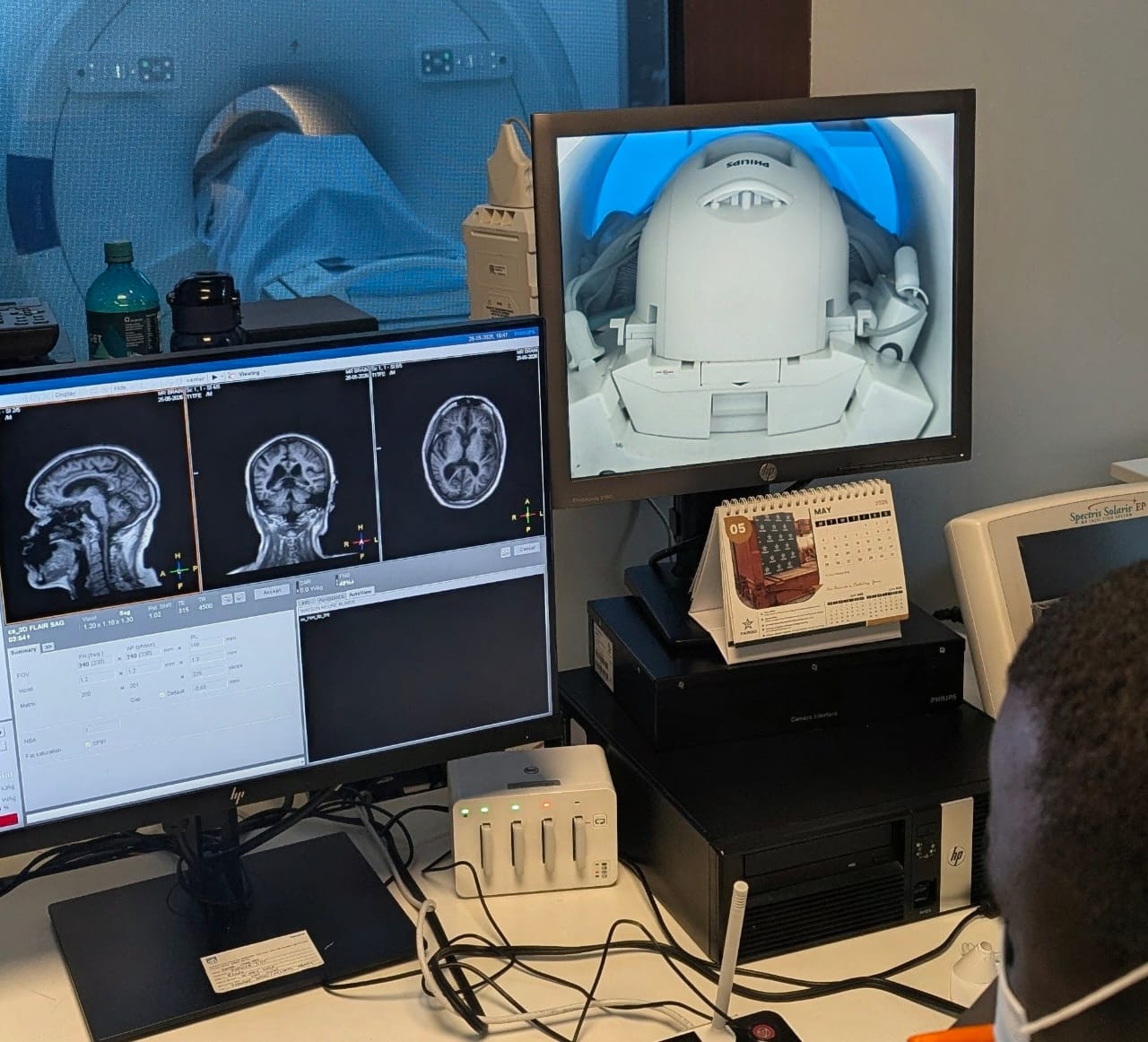
MRI Equipment Procurement Strategy
MRI Equipment Procurement Strategy: A Complete Guide for Healthcare Facilities in Kenya and Africa
Investing in Magnetic Resonance Imaging (MRI) technology is one of the most significant decisions a healthcare institution can make. Whether you are establishing a new imaging center, expanding hospital diagnostic services, or upgrading an existing MRI unit, procurement decisions have long-term implications for patient care, operational efficiency, financial sustainability, and institutional growth.
Across Kenya and Africa, demand for advanced diagnostic imaging continues to increase. Growing populations, rising rates of chronic diseases, increased healthcare awareness, and expanding insurance coverage have all contributed to greater demand for MRI services.
A successful MRI equipment procurement strategy goes beyond buying a machine. It involves careful planning, vendor evaluation, safety considerations, facility readiness, workforce development, and long-term operational planning.
Understanding MRI Equipment Procurement Strategy
What Is MRI Equipment Procurement?
MRI equipment procurement is the process of planning, evaluating, selecting, purchasing, installing, and supporting MRI systems within a healthcare facility.
Effective MRI procurement involves ensuring that the selected system aligns with clinical requirements, patient demand, facility infrastructure, budget constraints, workforce capabilities, and long-term strategic goals.
Why MRI Procurement Requires Long-Term Thinking
MRI scanners are major capital investments. Most systems remain operational for 10 to 15 years or more. Procurement decisions should therefore consider not only current needs but also future growth requirements.
- Future patient demand
- Service expansion plans
- Technology upgrades
- Vendor support longevity
- Operational scalability
Assessing Clinical and Operational Needs
Defining Your Patient Population
Different healthcare facilities serve different patient populations. Understanding your patient demographics helps ensure that MRI technology aligns with actual clinical needs.
Neurology Services
- Stroke evaluation
- Brain tumor assessment
- Epilepsy investigations
- Neurodegenerative disease monitoring
Orthopedic Imaging
- Sports injury imaging
- Joint assessments
- Spinal imaging
- Musculoskeletal examinations
Cardiac MRI
Specialized referral hospitals may require advanced cardiac imaging capabilities to support cardiovascular programs.
Oncology Imaging
Cancer diagnosis and treatment monitoring often rely on high-quality MRI imaging, particularly for soft tissue evaluation.
Choosing the Right MRI System
Understanding MRI Field Strength
Low-Field MRI Systems
- Lower installation costs
- Reduced power requirements
- Affordable maintenance
1.5 Tesla MRI Systems
The 1.5T MRI remains the global workhorse of clinical imaging and provides an excellent balance between performance and affordability.
- Excellent image quality
- Broad clinical versatility
- Strong vendor support
- Cost-effective operations
3 Tesla MRI Systems
3T MRI systems offer enhanced image quality, faster imaging protocols, and advanced research capabilities.
- Higher resolution imaging
- Improved signal-to-noise ratio
- Advanced research applications
- Enhanced diagnostic confidence
Technical Considerations During Procurement
Image Quality
- Signal-to-noise ratio
- Spatial resolution
- Gradient performance
- Coil technology
Workflow Efficiency
- Automated positioning
- AI-assisted workflows
- Faster reconstruction
- Protocol automation
Software Capabilities
Modern MRI systems should offer scalable software platforms with future upgrade pathways and advanced imaging applications.
MRI Safety Considerations During Procurement
Why MRI Safety Matters
MRI environments contain powerful magnetic fields that create unique safety risks. Integrating safety considerations during procurement reduces operational and regulatory challenges later.
- Projectile incidents
- Patient burns
- Implant-related risks
- Emergency response challenges
Essential Safety Features
- Access control systems
- Emergency shutdown procedures
- Safety monitoring technology
- MRI-compatible equipment planning
Evaluating MRI Vendors and Manufacturers
Questions to Ask Vendors
- What local support exists?
- How quickly can service engineers respond?
- What training is provided?
- How available are spare parts?
- What is the expected uptime?
Evaluating Local Support
In many African healthcare environments, local support can be just as important as scanner specifications. Strong regional service networks reduce downtime and improve operational continuity.
Understanding the True Cost of MRI Ownership
Installation Costs
- Construction modifications
- RF shielding
- Electrical upgrades
- Cooling systems
- Safety infrastructure
Operational Costs
- Electricity consumption
- Staffing requirements
- Consumables
- Service agreements
Maintenance Expenses
Long-term maintenance planning is critical for ensuring scanner reliability and maximizing return on investment.
Conclusion
Successful MRI equipment procurement begins long before vendor selection. Healthcare facilities must understand their clinical needs, patient population, safety requirements, growth plans, and operational objectives before making purchasing decisions.
By taking a strategic approach to MRI procurement, healthcare institutions across Kenya and Africa can build imaging services that deliver lasting value, improve patient outcomes, and support sustainable healthcare growth.
Frequently Asked Questions
What is the most important factor when purchasing an MRI scanner?
Successful procurement requires balancing clinical needs, image quality, safety, operational costs, vendor support, and long-term sustainability.
Is a 1.5 Tesla MRI sufficient for most hospitals in Africa?
Yes. For many hospitals and imaging centers, a 1.5T MRI provides an excellent balance of affordability, versatility, and diagnostic capability.
Why is vendor support important during MRI procurement?
Strong vendor support reduces downtime, improves service reliability, and ensures access to parts and technical expertise.
How long does an MRI procurement project typically take?
Depending on project complexity, procurement, installation, and commissioning can take several months to over a year.
Should MRI safety be considered before purchasing equipment?
Absolutely. MRI safety planning should begin during procurement to ensure facility readiness and operational compliance.

Recent Posts

MR Safety Week

MRI Brain Appropriateness Auditing in Africa
Ultra-Low-Field MRI