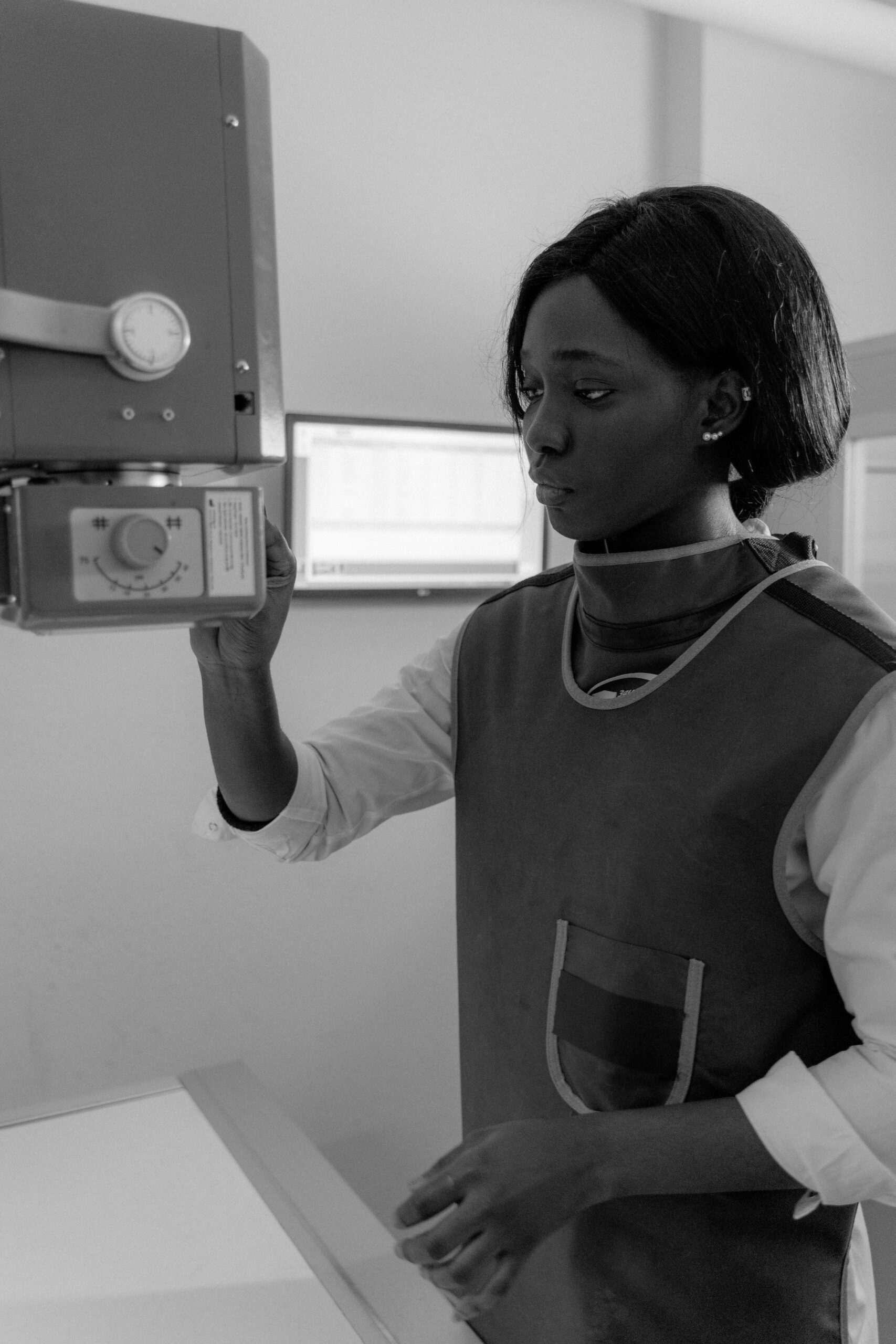
MRI Safety Checklist
MRI Safety Checklist: A Complete Guide for Safe MRI Operations in Kenya and Africa
Magnetic Resonance Imaging (MRI) has transformed modern healthcare by providing highly detailed images of the body's internal structures without exposing patients to ionizing radiation. From diagnosing neurological disorders and spinal injuries to identifying musculoskeletal conditions and detecting certain cancers, MRI plays a vital role in patient care.
However, despite its many benefits, MRI is not without risks. Unlike other imaging modalities, MRI scanners generate an extremely powerful magnetic field that is always active. A simple oversight, such as bringing a ferromagnetic oxygen cylinder into the scanner room or failing to identify an implanted medical device, can quickly become a life-threatening incident.
This is why every healthcare facility operating an MRI unit should have a comprehensive MRI safety checklist. A well-designed checklist helps standardize safety procedures, reduce human error, improve staff confidence, and protect patients, visitors, and expensive imaging equipment.
Whether you manage a referral hospital in Nairobi, operate a private diagnostic center in Mombasa, oversee a teaching hospital in Uganda, or are planning a new MRI facility anywhere in Africa, implementing structured MRI safety practices is one of the most valuable investments you can make.
In this guide, we'll explore the essential components of an MRI safety checklist, common safety risks, international best practices, and practical recommendations that healthcare organizations across Kenya and Africa can implement to build safer, more efficient MRI services.
MRI safety is not simply about operating a scanner correctly. It is about creating a culture where every patient, staff member, visitor, and contractor understands the risks associated with powerful magnetic fields and follows standardized procedures that protect lives and improve healthcare outcomes.
Understanding MRI Safety
MRI safety goes far beyond ensuring that a scan is completed successfully. It involves creating a culture where every individual entering the MRI environment understands the unique hazards associated with powerful magnetic fields and follows standardized procedures to minimize risk.
Unlike CT scanners or X-ray machines, MRI systems use three different forms of energy during every examination:
- A strong static magnetic field
- Gradient magnetic fields
- Radiofrequency (RF) energy
Each of these contributes to image formation while introducing specific safety considerations.
The static magnetic field is particularly important because it remains active 24 hours a day, even when no patients are being scanned. This means that any ferromagnetic object entering the MRI room can instantly become a dangerous projectile.
For this reason, MRI safety is not simply the responsibility of radiographers. It requires collaboration among hospital administrators, radiologists, biomedical engineers, maintenance personnel, nurses, security staff, cleaners, and every individual who may access the MRI department.
Why MRI Safety Is Different from Other Imaging Modalities
Many healthcare professionals are familiar with radiation safety principles used in CT and X-ray departments. MRI presents a completely different set of challenges.
Instead of minimizing radiation exposure, MRI safety focuses on managing the effects of powerful magnetic fields.
Projectile Hazards
Any ferromagnetic object can accelerate rapidly toward the MRI scanner.
- Oxygen cylinders
- Wheelchairs
- Stretchers
- Toolboxes
- Fire extinguishers
- Cleaning equipment
- Ladders
- Gas cylinders
Even small objects such as scissors, keys, or mobile phones can become dangerous projectiles.
Implant Safety
Many patients have implanted medical devices that require careful assessment before entering the MRI suite.
- Cardiac pacemakers
- Cochlear implants
- Brain aneurysm clips
- Orthopedic implants
- Neurostimulators
- Drug infusion pumps
- Vascular stents
Not all implants are unsafe, but every implant should be reviewed according to manufacturer guidelines and hospital safety protocols.
Heating Risks
Radiofrequency energy can generate heat within conductive materials, increasing the risk of patient burns if appropriate precautions are not followed.
- Skin burns
- Monitoring cables
- Implanted wires
- ECG leads
- Metallic tattoo pigments
Acoustic Noise
MRI scanners produce loud knocking sounds during image acquisition. Patients should always receive appropriate hearing protection to improve comfort and reduce the risk of temporary hearing damage.
Psychological Considerations
Some patients experience anxiety, claustrophobia, or panic attacks while inside the MRI scanner. Good communication, reassurance, and patient education help create a more comfortable imaging experience.
Why Every Healthcare Facility Needs an MRI Safety Checklist
An MRI scanner represents one of the largest investments made by many hospitals. Protecting this investment requires much more than scheduled maintenance.
A structured MRI safety checklist provides consistency, accountability, and quality assurance throughout daily operations.
Protecting Patients
Patients trust healthcare professionals to provide safe care. A standardized checklist ensures that implants, metallic objects, allergies, and medical history are reviewed before every examination.
Protecting Staff
Standardized procedures reduce human error and improve communication between radiographers, nurses, physicians, and support staff.
Protecting Equipment
Routine inspections and proper screening prevent expensive damage to MRI systems caused by projectile incidents or incompatible equipment.
Supporting Regulatory Compliance
Documented safety procedures support accreditation, quality assurance, risk management, and regulatory inspections.
Improving Operational Efficiency
Consistent workflows reduce delays, improve patient throughput, and increase overall department productivity while maintaining high safety standards.
Common MRI Safety Risks
Projectile Incidents
Projectile accidents remain among the most recognized MRI hazards. Proper access control and thorough screening dramatically reduce these preventable incidents.
Inadequate Patient Screening
Hidden implants, forgotten surgical devices, and undisclosed medical conditions remain common causes of MRI safety incidents. Every patient should complete a comprehensive MRI screening questionnaire before each examination.
Human Error
Busy clinical environments increase the likelihood of mistakes. Following standardized MRI safety protocols helps staff maintain consistency and accountability.
Unauthorized Access
Visitors, contractors, maintenance personnel, and non-MRI staff should never enter restricted MRI areas without appropriate authorization and screening.
Medical Emergencies
Every MRI department should maintain documented emergency procedures covering cardiac arrest, seizures, allergic reactions, anxiety attacks, respiratory emergencies, and safe patient evacuation.
Fire Safety
Emergency response plans should specifically address the MRI environment, ensuring that only MRI-compatible firefighting equipment is used where appropriate.
Understanding MRI Safety Zones
One of the most effective ways to reduce MRI incidents is by controlling access to different areas within the MRI department.
Zone I
Public areas such as corridors, entrances, and waiting rooms that are freely accessible without screening.
Zone II
The transition area where patient registration, MRI screening questionnaires, interviews, and preparation take place before entering restricted MRI zones.
Complete MRI Safety Checklist for Healthcare Facilities
Now that we've explored the importance of MRI safety and the risks associated with the MRI environment, it's time to focus on what matters most in daily operations: having a practical safety checklist that every member of the MRI team can follow.
A comprehensive MRI safety checklist is much more than a document stored in a binder. It should become part of the department's daily routine and be consistently used before, during, and after every examination. When followed correctly, it minimizes preventable incidents, improves patient confidence, and supports smooth workflow throughout the imaging department.
Hospitals across Kenya and Africa often face unique challenges such as increasing patient volumes, limited staffing, aging equipment, and growing demand for advanced imaging services. A structured checklist helps healthcare facilities maintain high safety standards regardless of these challenges.
An MRI safety checklist should be reviewed regularly, updated whenever policies change, and consistently followed by every member of the MRI team. Safety is most effective when it becomes part of the department's culture rather than simply a document on a shelf.
Facility Safety Checklist
Before patients even enter the MRI department, the facility itself should support a safe imaging environment. Every hospital should regularly inspect the MRI suite to ensure that physical infrastructure continues to meet safety standards.
Access Control
Access to the MRI department should be carefully controlled. Only authorized personnel should enter restricted MRI areas.
The facility should provide:
- Controlled access doors
- Clear warning signs
- Restricted entry into MRI Zones III and IV
- Visitor management procedures
- Security measures for after-hours access
Unauthorized individuals should never enter restricted MRI areas without proper screening.
Safety Signage
Safety signs provide the first line of defense against accidental entry into restricted MRI areas.
Signs should clearly indicate:
- Strong magnetic field
- No unauthorized entry
- MRI screening required
- Remove all metallic objects
- Pacemaker warnings
- Oxygen cylinder restrictions
- Mobile phone restrictions
All signs should be visible, easy to understand, and positioned at every entrance to restricted MRI zones.
Environmental Safety
The MRI suite should remain clean, organized, and free from unnecessary equipment.
- Clean floors
- Adequate lighting
- Proper ventilation
- Temperature control
- Emergency lighting
- Fire detection systems
- Emergency communication systems
Good housekeeping reduces hazards and creates a professional environment for patients and staff.
MRI Scanner Room Safety Checklist
The scanner room, commonly referred to as Zone IV, requires the highest level of safety. Every item entering the room should first be verified as MRI Safe or MRI Conditional.
Before scanning begins each day, inspect:
- MRI scanner
- Patient table
- MRI coils
- Positioning accessories
- Monitoring equipment
- Communication system
- Emergency squeeze bulb
- Patient headphones
- Lighting
- Ventilation
- Door locking system
Inspect MRI-Compatible Equipment
Every piece of equipment should be classified as MR Safe, MR Conditional, or MR Unsafe. Never assume equipment is compatible simply because it has been used previously.
Remove Unnecessary Objects
Only equipment required for the examination should remain inside the scanner room.
- Office chairs
- Cleaning carts
- Toolboxes
- Metal ladders
- Standard wheelchairs
- Steel stretchers
- Non-MRI oxygen cylinders
Maintaining a clutter-free environment significantly reduces projectile risks.
Patient Screening Checklist
Patient screening is one of the most important safety procedures in MRI. Every patient should complete a screening questionnaire before every examination regardless of previous MRI history.
Patient Identification
- Full name
- Date of birth
- Hospital identification number
- Requested examination
- Referring clinician
- Correct body part
Verifying patient identity helps prevent wrong-patient and wrong-site imaging.
Medical History Review
Review the following before every examination:
- Previous surgeries
- Metallic implants
- Artificial joints
- Dental work
- Cardiac devices
- Brain surgery
- Eye injuries
- Kidney disease
- Pregnancy
- Breastfeeding if contrast is planned
- Allergies
- Current medications
- Previous MRI examinations
Implant Screening
Every implanted medical device should be evaluated according to manufacturer recommendations before MRI is performed.
- Cardiac pacemakers
- Implantable defibrillators
- Cochlear implants
- Neurostimulators
- Drug infusion pumps
- Aneurysm clips
- Heart valves
- Orthopedic implants
- Dental implants
- Vascular stents
Metallic Object Screening
Patients should remove:
- Jewelry
- Watches
- Hairpins
- Coins
- Belts
- Wallets
- Credit cards
- Keys
- Mobile phones
- Eyeglasses
- Hearing aids
- Removable dentures
Patient Education
Patients should understand why safety questions are necessary, why metallic objects must be removed, what to expect during the examination, and how to communicate with staff throughout the scan.
MRI Staff Safety Checklist
MRI safety depends on knowledgeable and well-trained staff. Every person entering restricted MRI areas should understand MRI hazards and safety procedures.
Staff Training
- Initial MRI safety orientation
- Annual refresher training
- Emergency response drills
- Patient screening education
- Contrast safety training
- Equipment competency assessments
- Documentation procedures
Daily Staff Readiness
- MRI screening forms available
- Emergency procedures reviewed
- Communication systems operational
- MRI-compatible equipment available
- Patient schedule confirmed
- Staff assignments completed
Personal Safety
Staff should avoid carrying metallic items into restricted MRI zones.
- Keys
- Phones
- Pens
- Scissors
- Metal badge clips
- Tools
- Steel-toe boots
- Magnetic access cards
Equipment Safety Checklist
Routine equipment inspections improve patient safety and help maintain high image quality.
Daily Equipment Checks
- MRI console
- Scanner status
- Gradient performance
- Cooling system
- Air conditioning
- Patient table movement
- Communication system
- Emergency stop controls
- Hearing protection
- MRI coils
- Positioning aids
MRI-Compatible Accessories
- MRI-compatible wheelchairs
- MRI-compatible stretchers
- MRI-compatible oxygen cylinders
- MRI-compatible anesthesia equipment
- MRI-compatible monitoring systems
- MRI-safe infusion pumps
Contrast Administration Safety
When gadolinium contrast is required, healthcare providers should follow established protocols to protect patient safety.
- Confirm patient identity
- Review renal function where appropriate
- Assess allergy history
- Explain the procedure
- Obtain consent where required
- Prepare emergency medications
- Monitor patients after injection
- Document contrast type and dosage
Infection Prevention Checklist
MRI departments should maintain excellent infection prevention standards to provide a clean and safe environment for every patient.
Cleaning Procedures
- Clean patient table
- Disinfect positioning pads
- Clean MRI coils
- Replace disposable materials
- Dispose of medical waste correctly
- Perform hand hygiene
High-Touch Surfaces
- Door handles
- Control panels
- Keyboards
- Patient call buttons
- Headphones
- Communication devices
- Wheelchairs
- Transfer boards
Daily MRI Safety Checklist
- Scanner operational
- Emergency equipment inspected
- MRI-compatible accessories available
- Communication system tested
- Room clean
- Patient schedule reviewed
- Temperature stable
- Safety signs visible
- Screening forms available
- Staff briefing completed
Weekly MRI Safety Checklist
- Review safety incidents
- Inspect emergency equipment
- Check MRI warning signs
- Inspect room access controls
- Review patient screening compliance
- Verify emergency contact numbers
- Check inventory levels
- Inspect MRI-compatible equipment
- Review maintenance logs
Monthly MRI Safety Checklist
Monthly reviews provide an opportunity to identify recurring issues and continuously improve MRI safety.
- Equipment performance review
- Preventive maintenance
- Policy review
- Staff competency assessment
- Safety drills
- Incident trend analysis
- Risk assessment
- Documentation audit
- Quality improvement meeting
- Review patient feedback
Building a Culture of MRI Safety
A checklist alone does not create a safe MRI department. The most successful healthcare organizations build a culture where every team member feels responsible for patient safety.
Healthcare leaders should encourage staff to report near misses, discuss unsafe practices openly, participate in ongoing education, and continuously improve MRI safety processes. When safety becomes part of everyday practice rather than an occasional task, patients receive better care, departments operate more efficiently, and preventable incidents become increasingly rare.
An effective MRI safety program combines strong leadership, well-trained staff, standardized procedures, regular audits, and continuous quality improvement. The checklist is the foundation, but the people using it ultimately determine its success.
Roles and Responsibilities Within the MRI Team
A safe MRI department depends on teamwork. While radiographers are often the professionals most closely associated with MRI safety, they cannot shoulder the responsibility alone. Every person working in or around the MRI department plays a role in maintaining a safe environment.
From hospital leadership and radiologists to nurses, biomedical engineers, cleaners, and security personnel, each individual contributes to protecting patients, staff, visitors, and valuable imaging equipment.
Clear roles, regular communication, and accountability help create a culture where safety becomes second nature.
MRI safety is everyone's responsibility. A well-coordinated team significantly reduces risk, improves workflow, and creates a safer experience for patients and healthcare professionals alike.
Hospital Management
Hospital administrators provide the leadership and resources necessary to maintain a safe MRI service.
Key responsibilities include:
- Developing MRI safety policies
- Allocating budgets for safety improvements
- Supporting staff training
- Purchasing MRI-compatible equipment
- Ensuring regulatory compliance
- Conducting regular safety reviews
- Supporting quality improvement initiatives
Without strong leadership, even the best safety policies become difficult to sustain.
MRI Radiographers
Radiographers serve as the frontline guardians of MRI safety.
- Screen every patient before scanning
- Confirm patient identity
- Review MRI request forms
- Inspect MRI equipment
- Monitor patients during examinations
- Report safety concerns
- Maintain documentation
- Educate patients about MRI safety
Radiographers should never bypass established safety procedures, regardless of workload or scheduling pressures.
Radiologists
Radiologists provide clinical oversight for MRI examinations and support safe decision-making throughout the imaging process.
- Review examination requests
- Determine MRI suitability
- Evaluate implant safety
- Approve contrast administration
- Support emergency decision-making
- Participate in quality assurance activities
Radiologists also play an important role in educating healthcare teams on evolving MRI safety practices.
Nurses
Nurses help prepare patients before MRI examinations and monitor them throughout the imaging process when necessary.
- Review patient history
- Identify potential safety risks
- Prepare patients for contrast administration
- Monitor sedated patients
- Manage emergency situations
- Provide reassurance and patient education
Biomedical Engineers
Biomedical engineers ensure MRI equipment operates safely and efficiently.
- Perform preventive maintenance
- Inspect MRI systems
- Coordinate vendor servicing
- Monitor equipment performance
- Troubleshoot technical issues
- Support quality assurance testing
Routine maintenance minimizes equipment failures and helps maintain consistent image quality.
Support Staff
Support staff are essential members of the MRI safety program and should receive appropriate MRI safety orientation.
This group includes:
- Cleaners
- Security officers
- Porters
- Reception staff
- Maintenance personnel
- Students
- Contractors
Emergency Preparedness
Medical emergencies can occur unexpectedly. Every MRI department should have emergency response procedures specifically designed for the MRI environment.
Cardiac Arrest
If cardiac arrest occurs during an MRI examination:
- Stop the scan immediately
- Remove the patient from Zone IV
- Transfer the patient to a designated safe area
- Begin CPR outside the scanner room
- Use only approved emergency equipment
Contrast Reactions
MRI departments should always be prepared for rare allergic reactions to gadolinium-based contrast agents.
- Emergency medications readily available
- Oxygen supply
- MRI-compatible monitoring equipment
- Trained emergency personnel
- Clear emergency contact procedures
Fire Emergencies
Fire procedures should be specifically adapted for MRI environments.
- MRI-specific fire response plans
- Clearly marked evacuation routes
- MRI-compatible firefighting equipment where applicable
- Regular emergency drills
Power Failure
Departments should maintain procedures covering:
- Safe patient evacuation
- Backup power systems
- Scanner restart procedures
- Communication with patients
- Coordination with engineering teams
MRI Quality Assurance
Quality assurance ensures MRI services remain safe, accurate, and efficient while continuously improving patient care.
Equipment Performance Monitoring
- Image quality
- Signal-to-noise ratio
- Gradient performance
- Coil performance
- Magnetic field stability
- System calibration
Incident Reporting
Departments should encourage reporting of:
- Near misses
- Safety concerns
- Equipment faults
- Patient complaints
- Workflow issues
Internal Audits
Routine audits should evaluate:
- Patient screening compliance
- Documentation quality
- Emergency preparedness
- Equipment inspections
- Infection prevention
- Staff training records
Common MRI Safety Mistakes to Avoid
Skipping Patient Screening
Every patient should be screened before every MRI examination, regardless of previous imaging history.
Rushing Procedures
High patient volumes should never compromise MRI safety procedures.
Poor Communication
Clear communication between radiographers, nurses, radiologists, biomedical engineers, and referring clinicians improves patient safety.
Inadequate Staff Training
Annual refresher training and continuous professional development help staff remain current with evolving MRI safety recommendations.
Ignoring Near Misses
Near misses provide valuable learning opportunities and should always be investigated to prevent future incidents.
MRI Safety Best Practices for Kenya and Africa
As MRI services continue expanding across Africa, healthcare facilities should strengthen safety by adopting internationally recognized best practices while considering local healthcare needs.
Invest in Staff Development
- Continuous professional development
- MRI safety certification
- Vendor training
- International workshops
- Simulation exercises
Standardize Procedures
Every MRI examination should follow consistent workflows that reduce variation and minimize human error.
Strengthen Documentation
Good documentation supports accreditation, legal protection, quality improvement, and regulatory compliance.
Perform Regular Safety Audits
Routine audits help identify workflow inefficiencies, training needs, equipment issues, and compliance gaps.
Promote a Strong Safety Culture
Healthcare organizations should encourage every staff member to speak up whenever they identify potential safety risks.
How Resonance Strategy Group Supports MRI Safety Across Africa
Building a safe MRI service requires more than purchasing advanced equipment. It requires planning, education, continuous improvement, and expert guidance.
Our consultancy services include:
- MRI Safety Audits
- MRI Workflow Optimization
- Procurement Planning and Vendor Evaluation
- MRI Facility Planning
- MRI Safety Training
- Capacity Building and Workforce Development
- Operational Advisory Services
- Quality Improvement Support
We help healthcare organizations across Africa strengthen MRI safety while improving operational efficiency and patient outcomes.
Our mission is to help hospitals, diagnostic centres, governments, and healthcare organizations build safer MRI services through expert consultancy, practical training, workflow optimization, and internationally aligned safety standards.
Conclusion
MRI is one of the safest and most advanced diagnostic imaging technologies available today when supported by strong safety practices.
Implementing a comprehensive MRI safety checklist protects patients, staff, visitors, and equipment while improving workflow, regulatory compliance, and overall healthcare quality.
For hospitals and imaging centres across Kenya and Africa, investing in MRI safety is an investment in better patient outcomes, stronger healthcare systems, and long-term operational excellence.
Frequently Asked Questions
1. What is an MRI safety checklist?
An MRI safety checklist is a standardized document used to verify that patients, staff, equipment, and the MRI environment meet established safety requirements before, during, and after every examination.
2. Why is patient screening important before an MRI scan?
Patient screening identifies implants, metallic objects, medical conditions, allergies, and other factors that may affect MRI safety, reducing the risk of preventable incidents.
3. How often should MRI safety training be conducted?
Healthcare professionals should receive MRI safety training before working in the MRI department and participate in refresher training at least once every year.
4. What are the four MRI safety zones?
The four MRI safety zones include Zone I (public access), Zone II (patient screening and preparation), Zone III (restricted access), and Zone IV (the MRI scanner room with the highest safety controls).
5. How can healthcare facilities improve MRI safety?
Healthcare facilities can improve MRI safety through standardized checklists, continuous staff education, regular equipment maintenance, safety audits, strong leadership, and a culture that encourages open communication and continuous improvement.

Recent Posts

MR Safety Week

MRI Brain Appropriateness Auditing in Africa
Ultra-Low-Field MRI