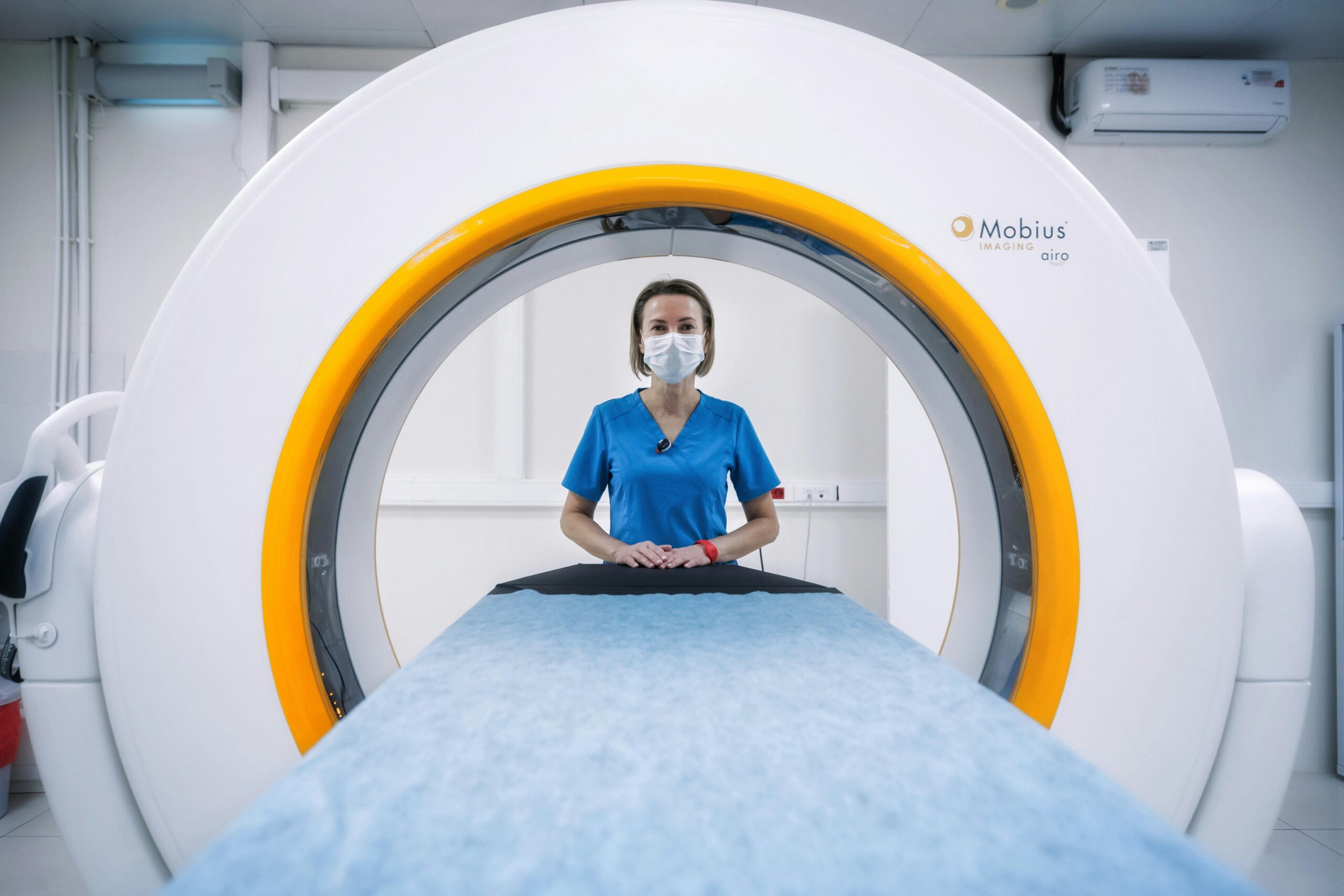
MRI Procurement Guide
MRI Procurement Guide: How to Successfully Plan, Purchase, and Implement MRI Systems in Kenya & Africa
Magnetic Resonance Imaging (MRI) has become one of the most valuable diagnostic tools in modern healthcare. From detecting neurological disorders and musculoskeletal injuries to diagnosing cancer and cardiovascular disease, MRI enables healthcare professionals to make faster, more accurate clinical decisions without exposing patients to ionizing radiation.
Across Kenya and Africa, demand for MRI services continues to grow. Governments are investing in healthcare infrastructure, private hospitals are expanding their imaging departments, and diagnostic centres are increasing access to advanced medical imaging. As patient expectations rise and disease patterns become more complex, healthcare organizations need reliable MRI services more than ever before.
However, purchasing an MRI scanner is one of the largest capital investments a healthcare facility can make. A successful MRI project involves much more than selecting a machine. It requires strategic planning, financial analysis, facility preparation, workforce development, vendor evaluation, safety planning, and long-term operational management.
Many healthcare organizations make the mistake of focusing only on the purchase price of the scanner. Unfortunately, this often leads to unexpected construction costs, workflow problems, equipment downtime, expensive maintenance contracts, or purchasing a system that does not meet the organization's clinical needs.
A well-planned procurement process helps hospitals maximize their investment while improving patient care, operational efficiency, and long-term sustainability.
This guide explains every stage of MRI procurement and provides practical advice for hospitals, imaging centres, healthcare investors, ministries of health, NGOs, and private organizations across Kenya and Africa.
Whether you are purchasing your first MRI scanner or upgrading an existing imaging department, understanding the complete procurement process helps reduce costly mistakes, improve project outcomes, and maximize long-term return on investment.
Why MRI Procurement Requires Careful Planning
Buying an MRI scanner should never be treated as a simple equipment purchase. Instead, it should be viewed as a long-term healthcare investment that will influence clinical services, financial performance, staffing requirements, and patient outcomes for many years.
Successful MRI procurement begins with understanding the organization's current needs while planning for future growth.
Hospitals that invest time in proper planning are far more likely to achieve strong returns on investment and deliver high-quality diagnostic imaging services.
The Growing Demand for MRI Services in Kenya and Africa
Healthcare systems across Africa are undergoing rapid transformation. Population growth, urbanization, increasing life expectancy, and improved access to healthcare have significantly increased demand for diagnostic imaging.
MRI examinations are routinely requested for:
- Brain and neurological disorders
- Stroke assessment
- Spine injuries
- Orthopedic conditions
- Sports medicine
- Cancer diagnosis
- Cardiac imaging
- Liver disease
- Pelvic imaging
- Pediatric imaging
In Kenya, many counties continue investing in specialized healthcare services to reduce referrals and improve regional access to advanced diagnostics.
Private hospitals are also expanding MRI services to meet growing patient expectations while reducing waiting times.
Why MRI Procurement Is Different from Buying Other Medical Equipment
Unlike many medical devices, MRI systems require extensive preparation before installation.
An MRI project often involves:
- Building modifications
- Structural engineering
- Radiofrequency shielding
- Electrical upgrades
- Cooling systems
- Helium management
- Specialized flooring
- Safety planning
- Workflow redesign
- Staff recruitment
- Vendor support
These requirements mean procurement decisions affect administration, finance, engineering, radiology, procurement, facilities management, and clinical leadership simultaneously.
Because of this complexity, MRI procurement should always follow a structured project management approach.
Common Procurement Challenges in Africa
Limited Capital Budgets
MRI systems require significant upfront investment, making careful financial planning essential.
Infrastructure Limitations
Older hospital buildings often require electrical upgrades, structural reinforcement, HVAC improvements, fire protection, and RF shielding before installation.
Workforce Shortages
Qualified MRI radiographers, radiologists, and biomedical engineers remain limited across many African countries, making workforce planning a critical part of procurement.
Equipment Downtime
Long equipment downtime affects patient care and hospital revenue. Choosing vendors with strong local service support helps reduce operational risk.
Supply Chain Challenges
Replacement parts, helium supplies, and technical support may take longer to obtain in certain regions, making vendor evaluation especially important.
Benefits of Proper MRI Procurement Planning
Hospitals that plan effectively often experience:
- Higher patient satisfaction
- Improved diagnostic accuracy
- Faster patient throughput
- Better workflow efficiency
- Lower operating costs
- Reduced equipment downtime
- Improved staff productivity
- Increased revenue generation
- Stronger regulatory compliance
- Longer equipment lifespan
Proper planning transforms MRI from an expensive purchase into a strategic healthcare investment.
Conducting a Comprehensive Needs Assessment
Every successful MRI project begins with a thorough needs assessment.
Rather than asking "Which MRI scanner should we buy?", healthcare leaders should first ask:
The answer to this question influences every procurement decision that follows and ensures the selected MRI system aligns with clinical goals and future growth.
Understanding Your Patient Population
Hospitals should evaluate:
- Monthly MRI demand
- Referral patterns
- Clinical specialties
- Current outsourced imaging
- Unavailable services
- Expected future demand
Evaluating Clinical Services
Different healthcare facilities require different MRI capabilities. A regional referral hospital may prioritize advanced neurological and oncology imaging, while a private diagnostic centre may focus on musculoskeletal and routine neurological examinations.
Estimating Future Demand
Planning should consider population growth, referral partnerships, insurance expansion, specialist services, and national healthcare initiatives to avoid early equipment replacement.
Assessing Existing Imaging Services
MRI procurement should complement existing diagnostic services including CT, ultrasound, X-ray, mammography, nuclear medicine, and interventional radiology.
Defining Clinical Objectives
Before selecting equipment, hospitals should establish clear clinical goals that guide procurement decisions.
Neurological Imaging
Hospitals specializing in stroke, epilepsy, spinal disorders, and brain tumors require advanced neuroimaging capabilities.
Orthopedic Imaging
Busy orthopedic departments require high-quality musculoskeletal imaging for joints, cartilage, ligaments, and sports injuries.
Oncology Services
Cancer centres benefit from diffusion imaging, whole-body MRI, functional imaging, and advanced tumor staging applications.
Cardiac Imaging
Cardiac MRI requires specialized software, dedicated coils, ECG synchronization, and experienced clinical teams.
Pediatric Imaging
Children often require shorter examination times, quieter scanners, sedation support, and patient-friendly workflows.
Budget Planning Before Procurement
One of the biggest mistakes hospitals make is budgeting only for the MRI scanner itself. A successful project includes every stage of implementation.
Capital Costs
- MRI scanner
- Patient table
- RF shielding
- Construction work
- Electrical installation
- HVAC systems
- Helium filling
- Delivery and logistics
- Installation
- Acceptance testing
- Initial staff training
Operational Costs
- Electricity
- Preventive maintenance
- Service contracts
- Software upgrades
- Helium refills
- Staff salaries
- Consumables
- Quality assurance testing
- Insurance
- Regulatory inspections
Hidden Costs Many Hospitals Overlook
- Construction delays
- Structural modifications
- Import duties
- Currency fluctuations
- Recruitment costs
- Safety equipment
- Network upgrades
- PACS integration
- Backup power improvements
Looking Beyond the Purchase Price
The least expensive MRI scanner is rarely the most economical over its lifetime. Healthcare organizations should evaluate the total cost of ownership, including maintenance, service availability, software upgrades, energy consumption, productivity, and expected lifespan before making a purchasing decision.
Choosing the Right MRI System
Selecting the right MRI scanner is one of the most important decisions during the procurement process. The system you purchase will influence the quality of patient care, operational efficiency, staffing requirements, maintenance costs, and your organization's ability to expand services in the future.
Many hospitals assume that purchasing the most expensive scanner automatically guarantees the best results. In reality, the right MRI system is the one that matches your clinical needs, patient volume, available budget, and long-term strategic goals.
Every healthcare organization is unique. A county referral hospital, a private imaging centre, a teaching hospital, and a national referral hospital all have different imaging requirements. Understanding these differences helps ensure your investment delivers maximum value.
A successful MRI procurement project is not about buying the most advanced scanner. It is about selecting equipment that aligns with your clinical objectives, operational capacity, patient needs, and long-term healthcare strategy.
Understanding MRI Field Strength
One of the first decisions hospitals must make is selecting the appropriate magnetic field strength.
MRI field strength is measured in Tesla (T), and it directly affects image quality, examination speed, clinical capabilities, and equipment cost.
Low Field MRI Systems (0.3T to 0.5T)
Low-field MRI systems are generally used in facilities with limited budgets or for specialized clinical applications.
Advantages
- Lower purchase price
- Lower operating costs
- Reduced power consumption
- Less demanding infrastructure
- Comfortable for claustrophobic patients
Limitations
- Lower image resolution
- Longer scan times
- Limited advanced imaging capabilities
- Reduced diagnostic confidence for complex cases
Although these systems may suit smaller healthcare facilities, they are becoming less common as imaging technology continues to improve.
1.5 Tesla MRI
The 1.5 Tesla MRI remains the global standard for clinical imaging and is the most recommended option for hospitals throughout Kenya and Africa. It offers an excellent balance between image quality, affordability, and versatility.
Clinical Applications
- Brain imaging
- Spine imaging
- Orthopedic imaging
- Abdominal imaging
- Pelvic imaging
- Cardiac imaging
- Cancer diagnosis
- Pediatric imaging
Advantages
- Excellent image quality
- International clinical standard
- Lower operating costs than 3T systems
- Wide range of clinical applications
- Easier staff training
- Better compatibility with many implants
For most regional referral hospitals and private diagnostic centres, a 1.5 Tesla scanner delivers the best balance between clinical performance and return on investment.
3 Tesla MRI
A 3 Tesla MRI scanner generates a stronger magnetic field, enabling higher image resolution and faster scanning for many advanced clinical applications.
Benefits
- Higher signal-to-noise ratio
- Faster examinations
- Superior neurological imaging
- Advanced research capabilities
- Improved vascular imaging
- Better detection of small abnormalities
Considerations
- Higher purchase cost
- Higher maintenance expenses
- Greater electrical requirements
- More demanding infrastructure
- Increased susceptibility to imaging artifacts
These systems are particularly suitable for teaching hospitals, comprehensive cancer centres, research institutions, and tertiary referral hospitals.
Open MRI versus Closed MRI
Open MRI Systems
Open MRI scanners provide additional space around patients, improving comfort for individuals who may struggle with conventional scanners.
They are particularly suitable for:
- Claustrophobic patients
- Children
- Elderly patients
- Bariatric patients
- Patients with anxiety
Advantages
- Greater patient comfort
- Easier patient positioning
- Improved accessibility
- Reduced examination cancellations
Limitations
- Lower magnetic field strength
- Reduced image quality
- Limited advanced imaging applications
Closed MRI Systems
Closed MRI systems remain the preferred choice for most hospitals because they provide superior diagnostic performance across a wide range of clinical applications.
- Excellent image quality
- Advanced clinical capabilities
- Faster scanning
- Better image consistency
- Wider examination range
Modern closed MRI systems now feature wider bores, quieter scanning technology, improved lighting, and faster examinations that significantly improve the patient experience.
New versus Refurbished MRI Systems
Hospitals frequently ask whether they should invest in a new MRI scanner or purchase a refurbished system. The right choice depends on budget, patient volumes, long-term goals, and clinical requirements.
Benefits of a New MRI Scanner
- Latest imaging software
- Longer expected lifespan
- Manufacturer warranty
- Higher energy efficiency
- Reduced maintenance during early years
- Future software upgrades
- Greater patient confidence
Benefits of a Refurbished MRI Scanner
- Lower capital investment
- Faster return on investment
- Suitable for smaller facilities
- Opportunity to expand imaging services with limited budgets
Factors to Evaluate
- Remaining equipment lifespan
- Availability of spare parts
- Warranty coverage
- Software upgrade options
- Previous usage history
- Service support availability
Independent MRI procurement consultants can help hospitals objectively compare new and refurbished systems before making a purchasing decision.
Vendor Evaluation
Choosing the right vendor is just as important as choosing the right MRI scanner. Long-term service quality, installation expertise, software updates, maintenance, and staff training all depend on the vendor's capabilities.
Evaluate Vendor Experience
- Number of MRI installations in Kenya
- Experience across Africa
- Hospital references
- Years of industry experience
- Clinical expertise
Assess Technical Support
- Local service engineers
- Remote diagnostics
- Availability of spare parts
- Emergency response times
- Preventive maintenance support
Warranty Coverage
- Warranty duration
- Replacement parts
- Labour costs
- Software updates
- Preventive maintenance
- Emergency repairs
- Equipment replacement policies
Staff Training
Comprehensive training should be provided for:
- MRI Radiographers
- Radiologists
- Biomedical Engineers
- MRI Safety Officers
- Hospital Administrators
Developing Technical Specifications
Technical specifications should describe clinical requirements without favouring a specific manufacturer. This encourages fair competition and helps hospitals identify the system that best meets their operational needs.
- Magnetic field strength
- Gradient performance
- RF coil requirements
- Patient table capacity
- Bore diameter
- Software applications
- Artificial intelligence features
- Cardiac imaging capability
- Oncology imaging packages
- Diffusion imaging
- DICOM compatibility
- PACS integration
- Cybersecurity features
- Future software upgrades
The MRI Procurement Process
Step 1: Conduct Market Research
Research available MRI technologies, manufacturers, vendors, pricing, and healthcare trends before beginning procurement.
Step 2: Develop Technical Requirements
Clinical teams, biomedical engineers, procurement officers, and hospital leadership should collaborate to define detailed technical specifications.
Step 3: Issue a Request for Proposal (RFP)
The RFP should clearly define project scope, technical specifications, installation requirements, staff training expectations, warranty requirements, service support, evaluation criteria, and submission timelines.
Step 4: Evaluate Vendor Proposals
- Clinical capability
- Equipment performance
- Vendor experience
- Service support
- Installation plan
- Warranty
- Training programme
- Project timeline
- Total cost of ownership
Step 5: Vendor Demonstrations and Site Visits
Visiting hospitals already using shortlisted MRI systems allows procurement teams to assess image quality, workflow, reliability, staff satisfaction, and vendor responsiveness before making a final decision.
Step 6: Contract Negotiation
Contracts should clearly define equipment specifications, delivery schedules, installation responsibilities, payment milestones, warranties, service agreements, performance guarantees, and acceptance testing procedures.
The most successful MRI procurement projects balance clinical performance, financial sustainability, patient experience, operational efficiency, and long-term vendor support rather than focusing solely on the purchase price.
MRI Facility Planning and Installation
Purchasing an MRI scanner is only one part of building a successful imaging service. Before the equipment arrives, hospitals must ensure their facility is fully prepared to support safe, efficient, and reliable MRI operations.
A well-designed MRI suite improves patient experience, staff productivity, workflow efficiency, and equipment performance. Poor facility planning can result in project delays, costly redesigns, safety risks, and unnecessary operational expenses.
Every MRI installation should involve collaboration between hospital management, architects, biomedical engineers, radiologists, MRI radiographers, procurement teams, and experienced MRI consultants.
Facility planning, safety design, infrastructure preparation, and workforce readiness are just as important as selecting the MRI scanner itself.
Planning the MRI Facility
Facility planning should begin long before procurement is complete. The physical environment directly affects patient safety, staff efficiency, and equipment longevity.
Selecting the Right Location
Hospitals should carefully evaluate the proposed MRI location based on accessibility, future expansion, engineering requirements, and workflow efficiency.
- Easy patient accessibility
- Close to emergency services
- Access from outpatient departments
- Connection to inpatient wards
- Adequate structural support
- Future expansion opportunities
- Reliable utilities
- Secure controlled access
MRI Safety Zones
Zone I
Public access areas including reception, waiting areas, and hospital corridors.
Zone II
Controlled access areas where patients undergo registration, MRI safety screening, and preparation.
Zone III
Restricted access areas reserved for authorized personnel including the MRI control room and preparation spaces.
Zone IV
The MRI scanner room containing the powerful magnetic field. Only screened patients and authorized staff should enter this area.
Designing Efficient Patient Flow
Efficient workflow improves patient experience while maximizing scanner utilization.
- Patient registration
- MRI safety screening
- Changing facilities
- Patient preparation
- MRI examination
- Recovery when required
- Image review
- Patient discharge
Reducing unnecessary movement helps shorten waiting times while increasing departmental productivity.
Infrastructure Requirements
MRI systems require specialized infrastructure that should be completed before installation begins.
- Stable electrical supply
- Backup generators or UPS systems
- HVAC and cooling systems
- Temperature and humidity control
- Radiofrequency shielding
- Magnetic shielding
- Medical gases where required
- Reliable networking
- PACS integration
MRI Installation and Commissioning
Installation involves far more than positioning the scanner inside the room. Every installation follows a structured commissioning process to ensure safe operation.
Equipment Delivery
- Verify room readiness
- Confirm access routes
- Check door dimensions
- Verify floor loading capacity
- Arrange crane access if necessary
- Confirm electrical readiness
Equipment Installation
Manufacturer engineers typically install the magnet, patient table, RF coils, operator consoles, cooling systems, computers, and networking equipment.
Acceptance Testing
- Image quality verification
- System calibration
- Safety system testing
- Emergency shutdown testing
- Network connectivity
- Software validation
- RF coil performance
- Mechanical inspections
Clinical Go-Live
- Complete staff training
- Perform MRI safety drills
- Test clinical workflows
- Conduct emergency simulations
- Verify equipment performance
- Complete quality assurance testing
Workforce Planning
Technology alone cannot deliver excellent MRI services. Highly trained healthcare professionals remain the most valuable asset within every imaging department.
MRI Radiographers
- Patient preparation
- Safety screening
- Scan optimization
- Image quality assurance
- Patient communication
- Emergency response
Radiologists
Radiologists interpret MRI examinations and provide accurate diagnostic reports that guide patient treatment.
Biomedical Engineers
- Preventive maintenance
- Equipment repairs
- Vendor coordination
- Equipment inspections
- Performance monitoring
MRI Safety Officer
- Implement MRI safety policies
- Investigate incidents
- Educate staff
- Conduct safety audits
- Monitor equipment safety
- Coordinate emergency preparedness
Maintenance and Lifecycle Management
MRI scanners are long-term investments that require structured maintenance programs throughout their operational life.
Preventive Maintenance
- System inspections
- RF coil testing
- Cooling system inspections
- Mechanical servicing
- Software updates
- Image quality verification
Corrective Maintenance
Hospitals should maintain comprehensive service agreements that include emergency repairs, qualified engineers, spare parts availability, remote diagnostics, and guaranteed response times.
Performance Monitoring
- Scanner utilization
- Equipment downtime
- Patient throughput
- Average examination duration
- Repeat scan rates
- Maintenance costs
- Patient satisfaction
Common MRI Procurement Mistakes
Buying Based Only on Price
The least expensive MRI scanner often results in higher long-term operating costs. Total cost of ownership should always guide procurement decisions.
Ignoring Infrastructure Requirements
Many hospitals underestimate the building modifications required before installation, resulting in project delays and increased costs.
Choosing the Wrong MRI System
Purchasing equipment without a comprehensive clinical needs assessment may lead to underutilized technology or insufficient imaging capability.
Poor Vendor Evaluation
Reliable after-sales service, local engineering support, and spare part availability are just as important as equipment performance.
Inadequate Staff Training
Continuous education ensures healthcare professionals remain confident and competent as MRI technology evolves.
Poor Project Management
MRI procurement requires effective coordination between clinical teams, engineers, administrators, procurement specialists, and vendors.
Why Independent MRI Procurement Consultancy Matters
Independent MRI consultants provide objective advice focused entirely on the healthcare organization's needs rather than promoting a specific manufacturer's equipment.
- Clinical needs assessment
- Budget planning
- Vendor evaluation
- Technical specifications
- Tender development
- Contract negotiation
- Facility planning
- MRI safety consulting
- Workflow optimization
- Commissioning support
- Project management
- Long-term operational planning
Why Choose Resonance Strategy Group
Successful MRI projects require experienced partners who understand the complete imaging ecosystem. Resonance Strategy Group supports healthcare organizations throughout every stage of MRI procurement and implementation.
- MRI procurement planning
- Vendor evaluation and selection
- MRI facility planning
- MRI safety audits
- MRI workflow optimization
- MRI operations consulting
- Capacity building
- Workforce development
- MRI safety training
- Project management
- Quality assurance
- Post-implementation advisory services
Conclusion
Successful MRI procurement extends far beyond purchasing equipment. It requires strategic planning, comprehensive budgeting, objective vendor evaluation, facility readiness, workforce development, and continuous operational improvement.
Healthcare organizations that invest in careful planning and expert guidance build sustainable MRI services that improve patient outcomes while maximizing financial and operational value throughout the equipment lifecycle.
Whether establishing a new MRI department or upgrading existing imaging services, Resonance Strategy Group provides expert guidance to help healthcare organizations across Kenya and Africa achieve safe, efficient, and future-ready MRI operations.
Frequently Asked Questions
1. How much does an MRI scanner cost in Kenya and Africa?
The total investment depends on field strength, manufacturer, software packages, installation requirements, and whether the equipment is new or refurbished. Hospitals should evaluate the total cost of ownership rather than the purchase price alone.
2. Is a 1.5 Tesla MRI sufficient for most hospitals?
Yes. A 1.5 Tesla MRI remains the international clinical standard and provides excellent diagnostic capability for most healthcare facilities.
3. Should hospitals buy new or refurbished MRI systems?
Both options can provide excellent value. The decision should consider available budget, expected patient volume, long-term objectives, and vendor support.
4. Why is vendor support important after installation?
Reliable technical support minimizes downtime, ensures rapid repairs, maintains equipment performance, and protects hospital revenue.
5. Why work with an independent MRI procurement consultant?
Independent consultants provide unbiased guidance throughout planning, procurement, facility design, vendor evaluation, contract negotiation, and project implementation, helping healthcare organizations make informed long-term investment decisions.

Recent Posts

MR Safety Week

MRI Brain Appropriateness Auditing in Africa
Ultra-Low-Field MRI