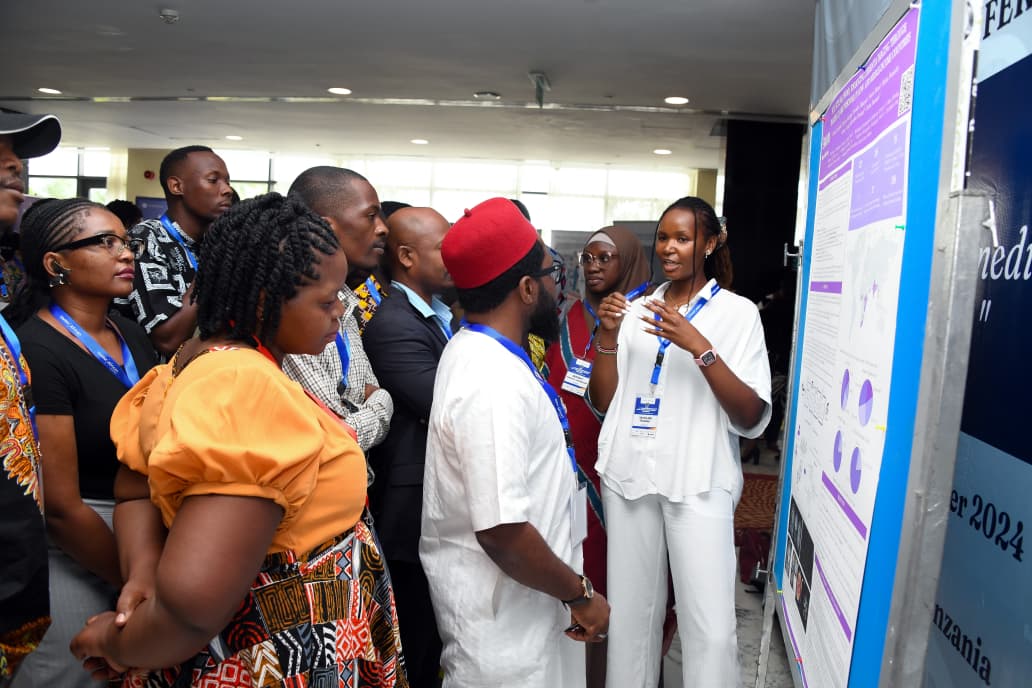
MRI Safety Training Programs
MRI Safety Training Programs: Building Safer MRI Services Across Africa
Magnetic Resonance Imaging (MRI) has become one of the most valuable diagnostic tools in modern healthcare. Across Kenya and many parts of Africa, hospitals and imaging centers are increasingly investing in MRI technology to improve patient care, support early diagnosis, and strengthen healthcare outcomes.
As MRI services continue to expand, there is growing recognition that successful MRI operations depend on more than just purchasing advanced equipment. An MRI scanner is only as safe and effective as the people operating it.
This is why MRI Safety Training Programs have become essential. Effective MRI safety training helps healthcare facilities protect patients, support staff confidence, reduce operational risks, and create safer imaging environments.
What Are MRI Safety Training Programs?
MRI Safety Training Programs are structured educational initiatives designed to equip healthcare professionals with the knowledge and skills needed to work safely within MRI environments.
Key Objectives of MRI Safety Training
- Protect patients from MRI-related risks
- Improve staff competency and confidence
- Prevent equipment damage and operational disruptions
- Strengthen safety culture within imaging departments
- Support compliance with international best practices
The Growing Need for MRI Safety Training in Africa
Across Africa, healthcare providers are investing heavily in diagnostic imaging technologies. Governments, private hospitals, and healthcare investors increasingly recognize the importance of advanced imaging in improving patient outcomes.
Equipment Alone Is Not Enough
Purchasing an MRI scanner is a major investment. However, sustainable success depends on trained personnel, effective workflows, operational readiness, and continuous professional development.
Why MRI Safety Training Matters
Protecting Patients
Patient safety is the primary reason MRI safety training exists. Properly trained staff can identify risks, perform effective patient screening, and ensure safe imaging procedures.
Protecting Staff
MRI personnel work around powerful magnetic fields every day. Training helps staff understand hazards and apply safe work practices consistently.
Protecting Equipment
MRI scanners are significant investments. Proper training reduces the risk of projectile incidents and equipment-related damage that can result in costly downtime.
Who Should Receive MRI Safety Training?
MRI safety is everyone's responsibility. Comprehensive training should extend beyond MRI technologists to include all personnel who may interact with MRI environments.
- MRI Technologists and Radiographers
- Radiologists
- Nurses
- Hospital Administrators
- Porters and Patient Transport Teams
- Security Personnel
- Maintenance Staff
- Contractors and Vendors
Core Components of an Effective MRI Safety Training Program
MRI Safety Fundamentals
Training should begin with a clear understanding of MRI physics, magnetic field principles, safety terminology, and common hazards.
MRI Safety Zones
Participants should understand Zone I, II, III, and IV management and the importance of access control procedures.
Patient Screening
Patient screening remains one of the most important safety measures within MRI environments and should be a major focus of all training programs.
Emergency Preparedness
Staff should receive training on quench procedures, fire emergencies, medical emergencies, and evacuation protocols.
Equipment Safety
Personnel should understand MRI Safe, MRI Conditional, and MRI Unsafe classifications to prevent incidents.
Benefits of MRI Safety Training
- Improved patient safety
- Reduced safety incidents
- Enhanced staff confidence
- Better workflow efficiency
- Greater regulatory readiness
- Improved patient satisfaction
- Stronger teamwork and communication
Building a Culture of MRI Safety
Strong MRI departments recognize that safety is not simply a compliance requirement. It is an ongoing commitment supported by leadership, training, communication, and continuous improvement.
Leadership Commitment
Leaders must support safety initiatives, provide resources, and encourage participation in training programs.
Open Communication
Staff should feel comfortable reporting concerns, discussing incidents, and sharing lessons learned.
Continuous Improvement
Safety programs should evolve regularly through audits, training updates, competency reviews, and operational assessments.
The Future of MRI Safety Education in Africa
The future of MRI safety education includes simulation-based learning, online training platforms, international collaboration, and growing demand for MRI safety specialists.
How Resonance Strategy Group Supports MRI Safety Training
Resonance Strategy Group helps healthcare institutions strengthen imaging services through MRI Safety Training & Certification, workforce development programs, competency-based education, and operational readiness support.
Conclusion
As MRI services continue to grow across Kenya and Africa, investing in people remains one of the most important steps healthcare facilities can take. Effective MRI Safety Training Programs protect patients, strengthen workforce capability, improve operational performance, and support long-term sustainability.
Frequently Asked Questions
What is MRI Safety Training?
MRI Safety Training is specialized education that helps healthcare professionals understand MRI hazards and work safely within MRI environments.
Who should attend MRI Safety Training Programs?
MRI technologists, radiologists, nurses, administrators, support staff, contractors, and anyone entering MRI environments should receive appropriate training.
How often should MRI staff receive safety training?
Annual refresher training is recommended, along with additional training following major operational or equipment changes.
Is MRI Safety Certification important?
Yes. Certification demonstrates competency, supports professional development, and strengthens organizational safety programs.
How can healthcare facilities improve MRI safety culture?
Through leadership support, continuous training, open communication, regular audits, and ongoing quality improvement initiatives.

Recent Posts

MR Safety Week

MRI Brain Appropriateness Auditing in Africa
Ultra-Low-Field MRI